Most Common Safety Concerns for Vietnam Travel in 2026: Insights from 25k+ Traveler's Messages
Data-driven insights from 25k+ traveler messages: Vietnam's biggest safety worries in 2026 (food poisoning tops the list) and the real story from locals who've helped thousands plan trips. Practical tips included.
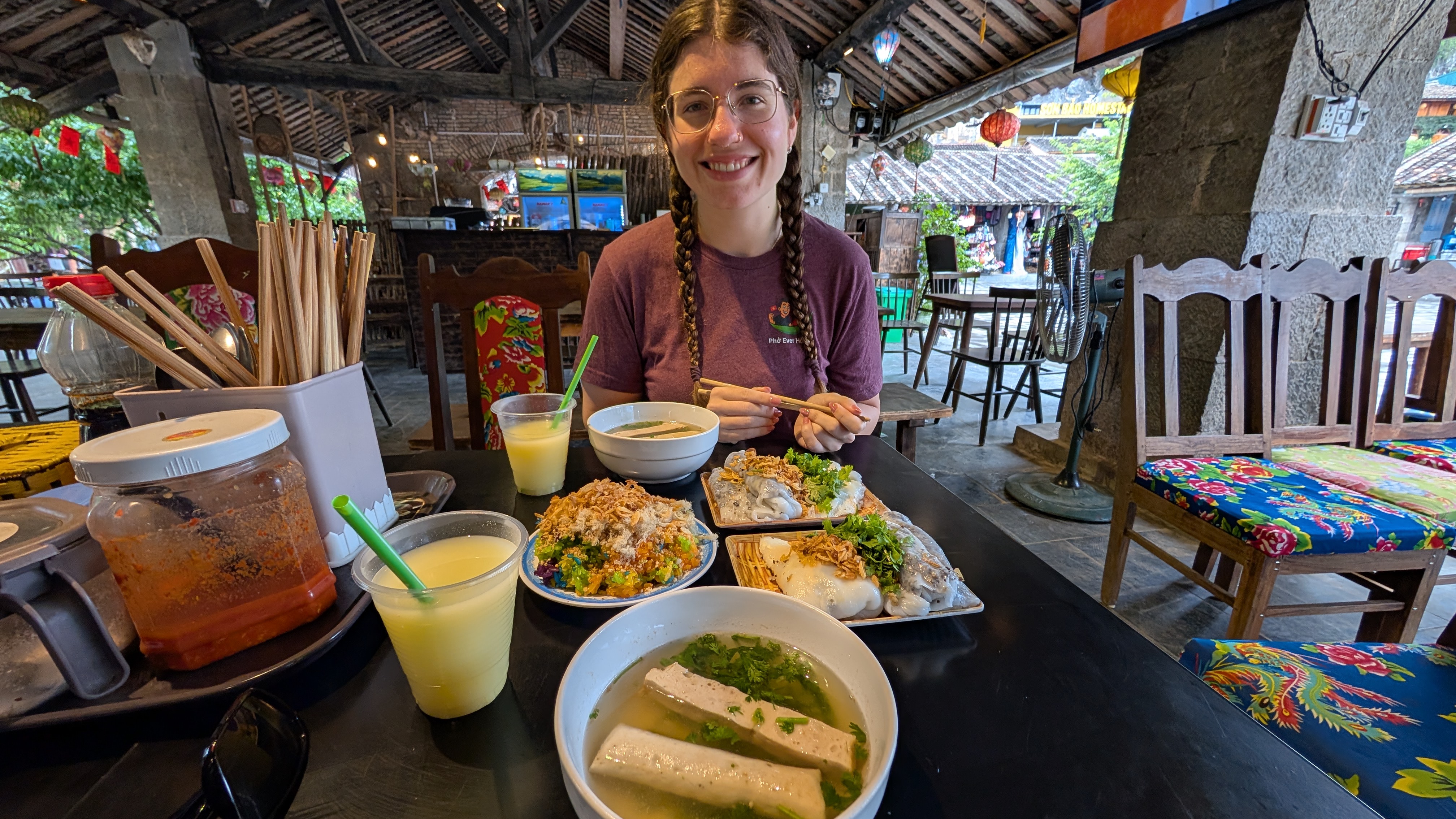
Hey friends 👋, we're Liam & Sarah from Two Peas Abroad!
We've been living in and traveling around Vietnam since 2023, and we help thousands of people plan their trips every month through our DMs, comments, and custom itineraries. Over the last few months alone, we combed through more than 25,000 messages, emails, and comments from real travelers who are actively planning their Vietnam adventures.
Here's what we found: safety is on a lot of people's minds. But the good news is that most fears are bigger than the actual risks. This guide breaks down the real data, what travelers worry about most, what actually happens on the ground, and exactly how to stay safe and enjoy every minute of your trip.
Methodology: Real Data from Real Travelers
This isn't generic travel advice. Everything here comes directly from our inbox and video comments. We analyzed messages from people who are actively booking their trips to Vietnam, building itineraries, and asking specific questions about what to look out for.
We combined this with our own 3+ years of daily life in Vietnam (Hanoi, Da Nang, Hoi An, Ha Giang, Phu Quoc, and everywhere in between). We've eaten street food almost every day, ridden motorbikes across the country, and helped plan trips for couples, families, solo travelers, and digital nomads.
Key finding: Food and water safety dominate the list of top safety concerns, but actual reported incidents are relatively low, often linked more to Western restaurants than to authentic local street food.
This analysis covers messages from early 2026, primarily from travelers from the US, UK, Europe, and Australia planning trips between March and December 2026. We focus on real questions from people actively planning trips rather than hypothetical worries.
Top Safety Concerns Ranked (from 25k+ Messages)
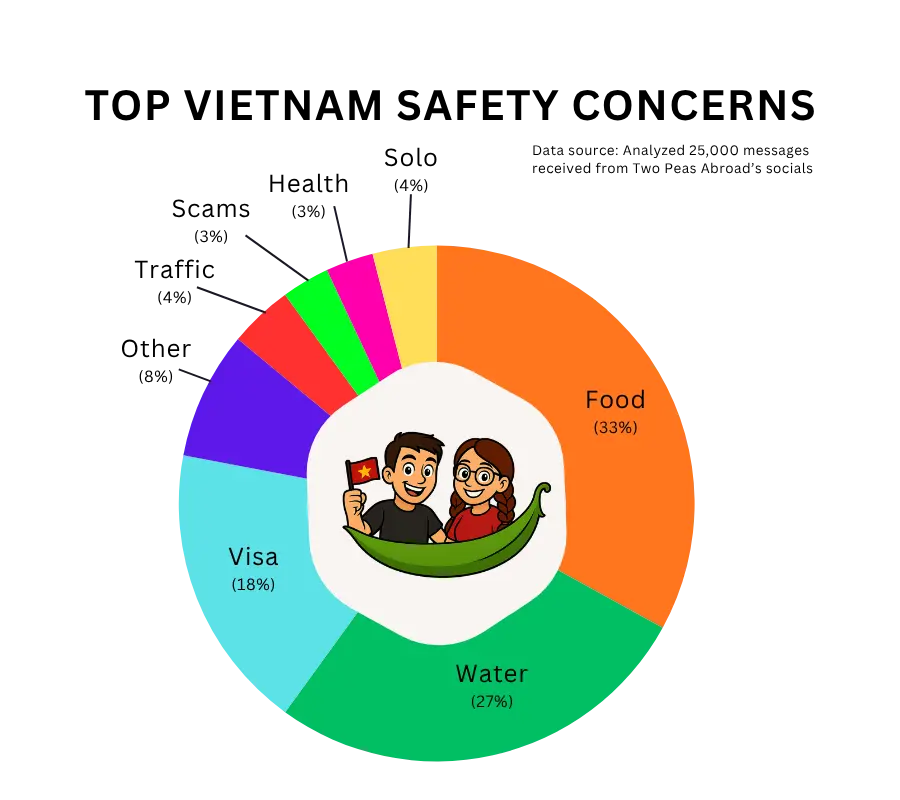
Approximately 17% of all messages we receive are related to safety topics. Here's the breakdown within safety-related conversations:
- Food, stomach issues, sickness, or poisoning: 33%
- Ice, water, or tap water concerns: 27%
- Visa, health declarations, or arrival processes: 18%
- General "is it safe?" questions: 8%
- Motorbikes, scooters, or traffic: 4%
- Solo or female traveler safety: 4%
- Scams, overcharging, or taxis: 3%
- Health, vaccines, or insurance: 3%
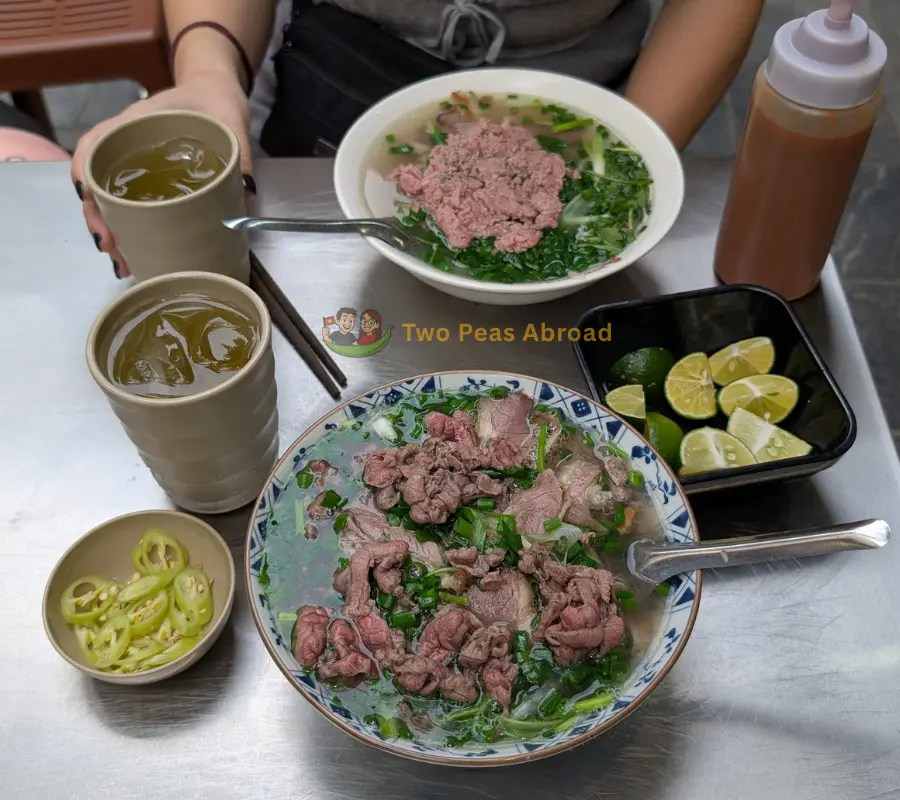
1. Food & Water Safety (The #1 Concern)
This is by far the most common topic. Travelers constantly ask about street food risks, ice in drinks, washed vegetables, stomach bugs, and whether it's "safe to eat everything."
Reality check from our data: Many people who report getting sick mention Western fast food chains or hotel buffets more often than local street stalls. The fear of "exotic" street food is often bigger than the actual risk when you follow basic common sense.
Personally, we've eaten street food almost daily for years with zero issues. The only times we've been sick were when we tried large Western chains to try the different menu items they have out here (our regular followers know exactly which ones we mean, we won't name names 😅).
Practical tips that actually work:
- Choose busy stalls where lots of locals are eating. The high turnover likely means fresher food and a place wouldn't be full of locals queueing if it made them sick.
- Use the local lime trick on chopsticks and utensils. Take a lime wedge found on almost every table in Vietnam and rub/squeeze the juices onto the chopsticks. The citric acid in the lime is naturally antibacterial and can help reduce any potential surface germs.
- Brush your teeth with bottled water if you're extra cautious or sensitive (especially the first few days).
- Start slow, ease into spicy or new foods instead of going all-in on day one, especially if you're not used to the types of food here.
- Factory made ice with a hole in the middle is generally the safest form and you'll see some people say to avoid crushed ice, but we personally put ice in all drinks without issues.
2. Visa, Health Declarations & Arrival Processes
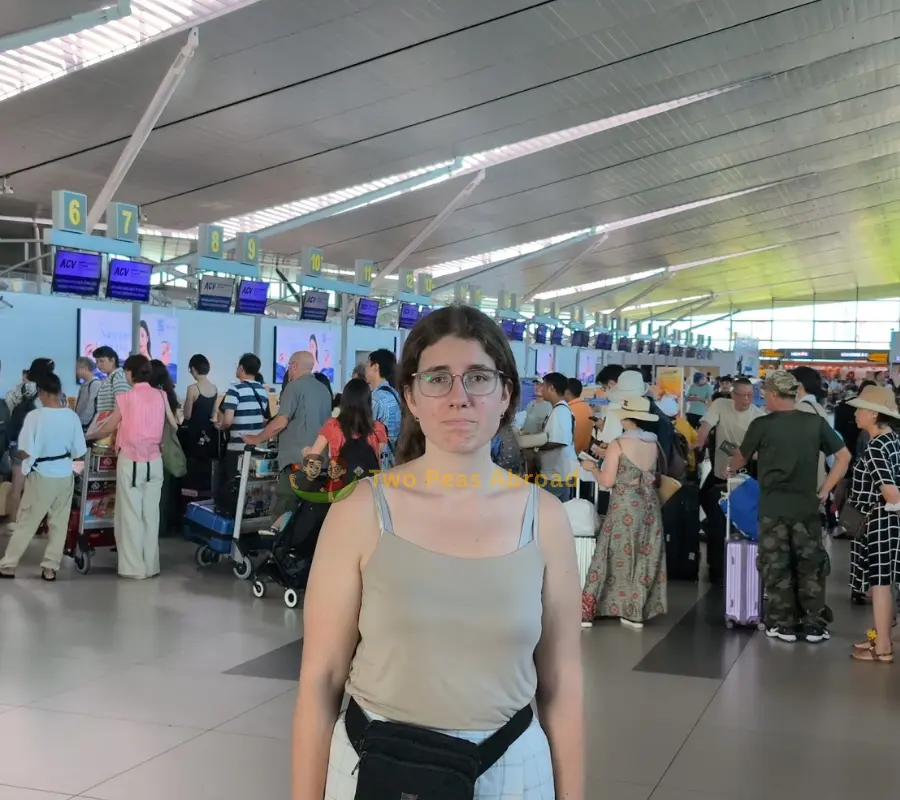
This category comes up in around 18% of the safety-related messages we receive. A lot of people are worried about visas, the new pre-arrival forms, long immigration lines, and making sure everything goes smoothly when they land.
The good news is that Vietnam has made things much easier in recent years. For most short-term travelers the e-visa is straightforward must be done online before you fly. You can apply directly on the official Vietnam e-visa portal (Make sure you have it ready to show the check-in desk when boarding your flight as you'll be denied entry if you don't have it!). Health declarations and arrival cards are now mostly digital, which has cut down on paperwork at the airport.
From our own experience and helping thousands of people plan their trips, the biggest pain points are long immigration queues at Hanoi, Ho Chi Minh City, and Phu Quoc. If you want to skip those, you can see the fast track services we use for each airport in our Vietnam airport fast track guide.
Planning around the weather for your specific regions is another common question we get. Vietnam has very different seasons depending on whether you're heading north, central, or south, so checking that in advance helps avoid surprises with rain or extreme heat.
Overall, a bit of preparation on visas and arrival details removes most of the stress.
3. Getting Around: Motorbikes, Traffic & Taxis
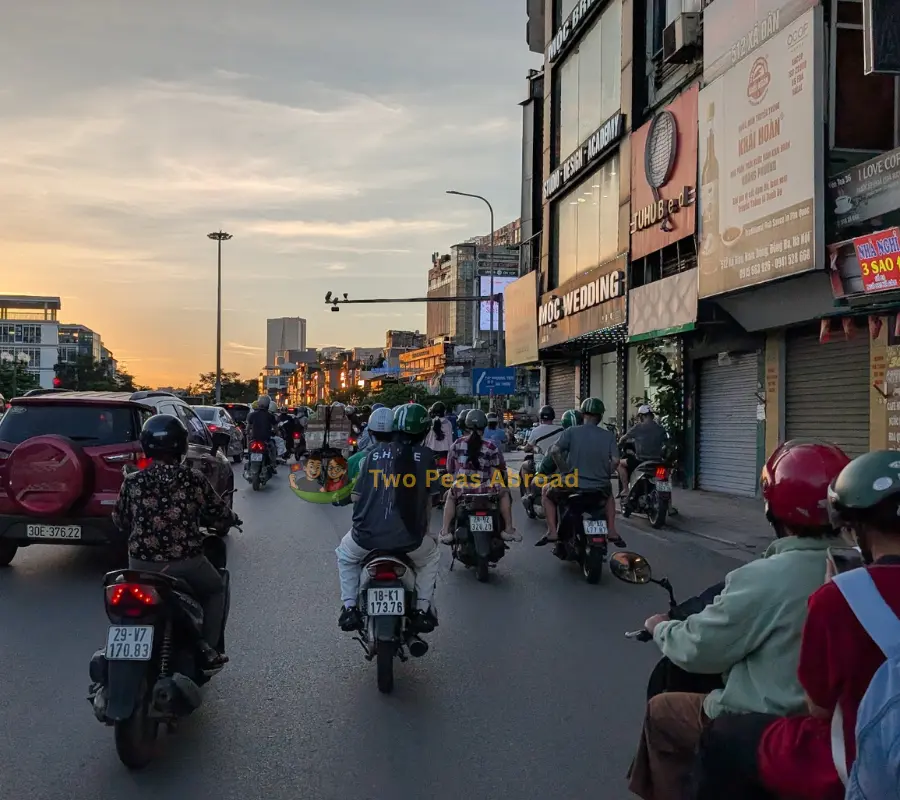
Traffic and motorbike safety questions come up all the time, especially from first-timers worried about crossing the street or riding a bike. Vietnam's roads look chaotic when you first arrive, but they have their own flow once you get used to it. Most problems happen when people rush or panic instead of relaxing into the rhythm.
Here's the advice we actually follow every day:
- Use Grab for most rides. It's reliable, the price shows upfront, and there's no haggling.
- When crossing the street, walk slowly and steadily. Don't stop suddenly or try to run. The traffic will flow around you.
- If you want to rent a motorbike, start in quieter areas to build confidence. Always wear a helmet and make sure you have the required licenses to drive a bike in Vietnam (A1 motorbike license + an international driving permit).
We've done hundreds of motorbike rides across the country, including the iconic Ha Giang loop, and this approach has worked well for us every time. You'll be moving around like a local before you know it.
4. Scams, Overcharging & Money Matters
Scam concerns don't come up as often as food or traffic questions, but they feel bigger when people mention them. Most of the messages we receive about this topic are about taxis, money exchange rates, or overcharging at popular tourist spots.
In reality this is quite rare from our experience and the locals will often go out of their way to be honest sometimes running after you if you forgot your change. Problems usually only happen when people use unofficial services, forget to agree on prices upfront or there's been a miscommunication somewhere.
You will sometimes see drivers outside airports and train stations wearing Grab outfits and showing you the Grab logo on their phone, but they're not actually working for Grab. We highly recommend always booking directly from whichever ride hailing app you prefer and checking the license plate every single time before you get in. It's not a scary situation, they're just drivers trying to make some extra money by offering you a ride directly without the platform fees. You'll usually have to negotiate the price quite a bit, but it's a lot simpler and safer to just wait a couple of minutes for your properly booked ride through the app.
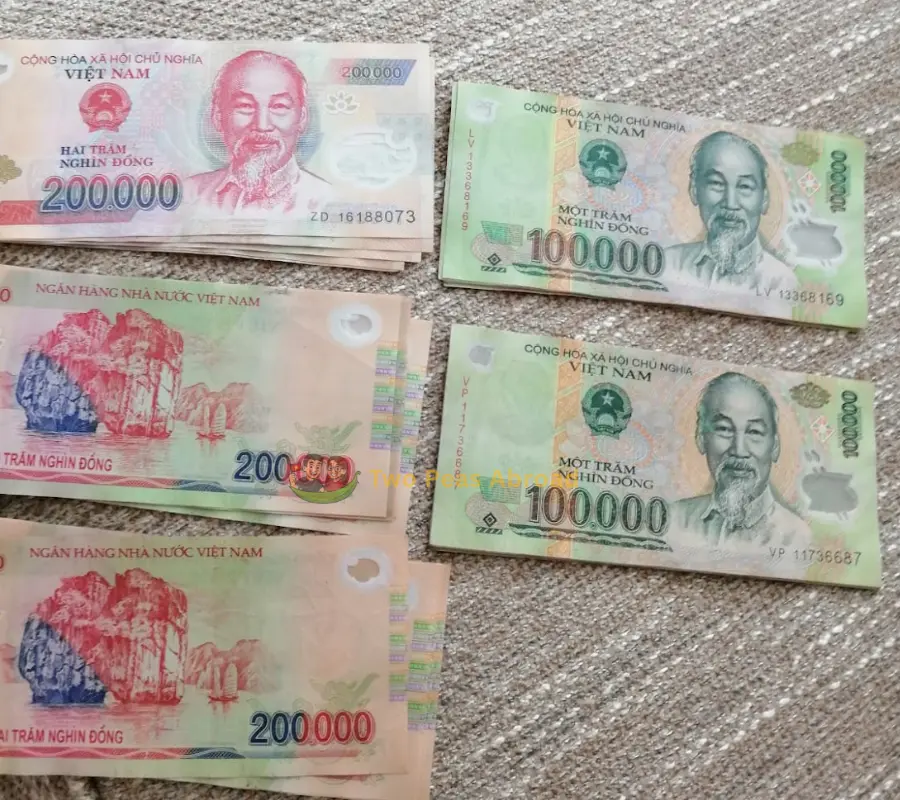
Overcharging or short-changing is very, very rare. But like in any busy tourist area around the world, it's always worth double-checking you're giving the correct money, especially when you're still getting used to the notes and currency.
Our everyday protections are pretty straightforward: use official money exchanges (Not unlicensed gold shops) or ATMs, agree on taxi prices before you start the journey or use a ride-hailing app like Grab, and avoid random street touts offering special deals at airports or tourist spots. Pay in cash for small things to avoid extra card fees or any issues.
5. Health, Vaccines & Insurance
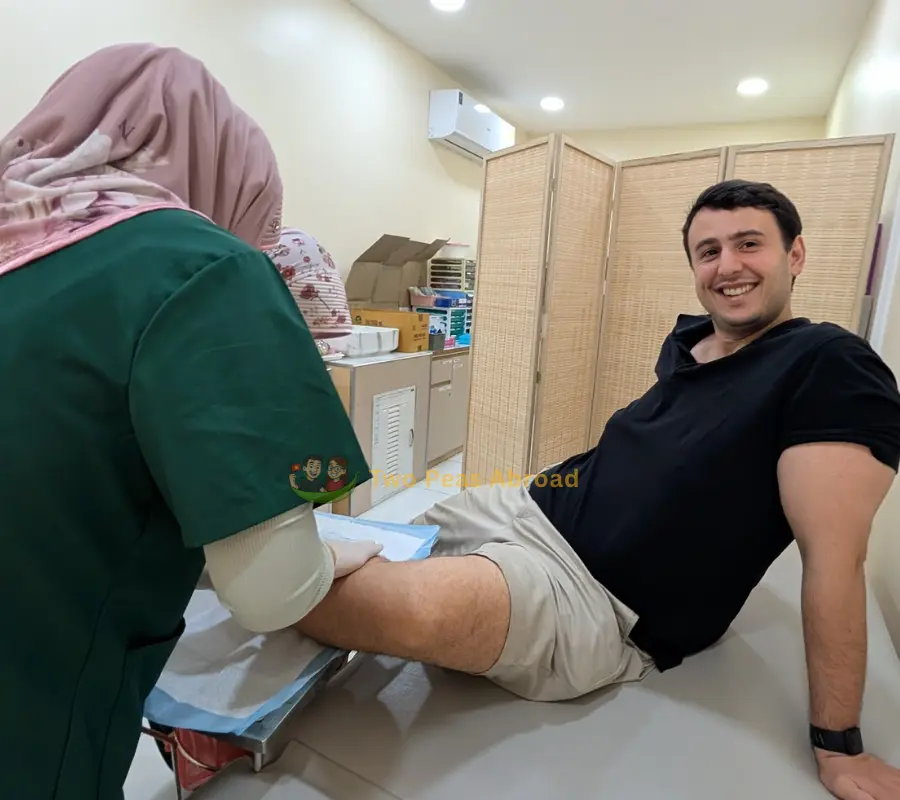
Questions about required vaccines, health declarations, and travel insurance come up a lot, especially from families either travelling with young kids or older parents and grandparents.
Important note: We are not doctors or medical professionals. This is not medical advice. We always recommend checking with your doctor or a travel health clinic back home about any specific vaccines or health topics that apply to you and your family.
For most short-term travellers to Vietnam, it is recommended to be up to date with your routine vaccinations and to consider jabs for Hepatitis A, Tetanus, and Typhoid. There are no legal requirements for most short trips though. For the latest official recommendations, check the CDC Vietnam travel health page. Health declarations and arrival forms are now mostly digital and pretty straightforward these days.
We always recommend getting a good travel insurance policy before any trip, you never know when it will save the day. We've been using the same one for years while travelling around Southeast Asia and it has come through for us a few times with clinic visits and even a freak storm that cancelled our flights.
6. Solo & Female Traveler Safety
Many solo and female travelers reach out with specific concerns. The good news is that Vietnam is generally very welcoming and safe for women traveling alone. The locals are so friendly and will often go out of their way to make sure you have a good experience and feel comfortable. They genuinely love sharing their culture with visitors.
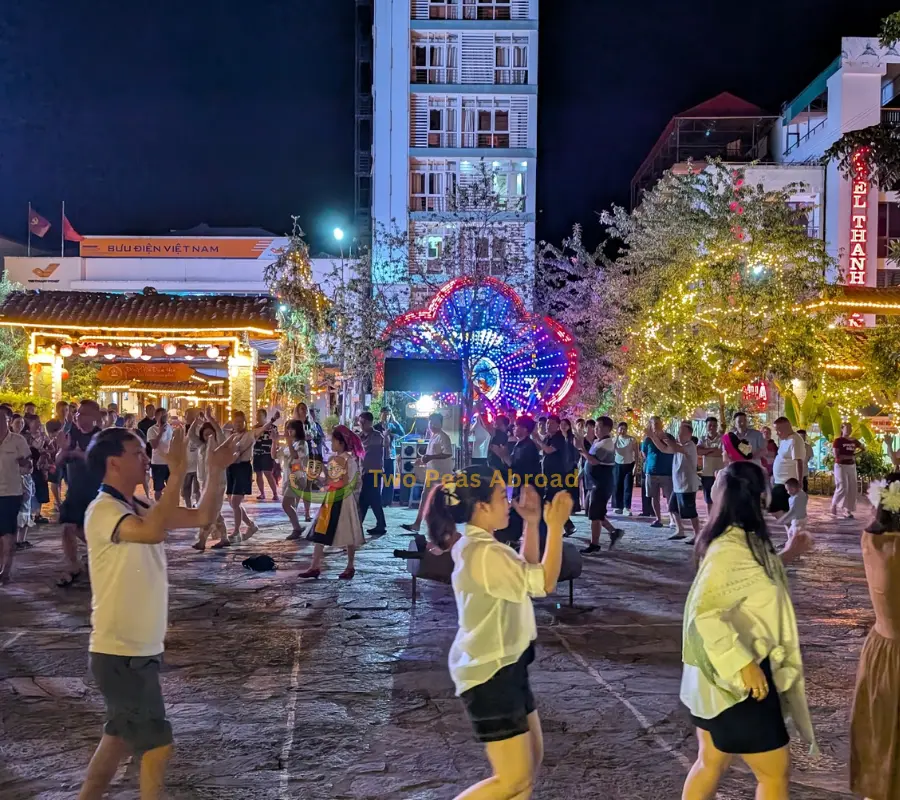
We both feel really safe walking around Vietnam, whether in big cities or more rural areas, even at night. It always feels like there are people around. Vietnam has a very outdoor-first culture, so you'll see families and friends sitting on little plastic stools chatting, young kids playing badminton in the streets late into the evening, aunties cooking, and general life happening all around you.
If you want to meet others, there are also some great day tours and group activities that are perfect for socializing with people in a similar position.
That said, basic street smarts still apply if you're feeling cautious. Here's what we recommend:
- Stick to well-lit, busy areas at night.
- Use ride apps instead of random taxis.
- Share your location with a friend or family member.
- Always trust your instincts, if something feels off, it probably is.
Most solo female travelers we've helped have had wonderful, safe experiences and end up falling in love with the country just like we did.
What Travelers Usually Get Wrong
After going through thousands of messages, we’ve noticed a few common misconceptions that come up over and over again.
A lot of people over-fear local street food while actually underestimating the risks from Western-style restaurants or just eating way too much too quickly when they first arrive. The same goes for ice, many assume all ice is dangerous, but the factory-made tubular ice (the kind with the hole in the middle) is usually perfectly fine in reputable places.
Overall, travelers tend to worry more about the "exotic" risks they’ve heard about online than the everyday things like basic road safety, jet lag catching up with you, or your stomach adjusting to new spices and flavours. The people who end up having the best trips are the ones who prepare sensibly but don’t let fear hold them back from diving into the incredible food and experiences Vietnam has to offer.
Get our free downloadable maps with safe, delicious local food spots across Hanoi, Da Nang, Hoi An, Ho Chi Minh City, and more. Perfect for first-timers who want to eat confidently.
Frequently Asked Questions
Is street food safe in Vietnam?
Yes, when you follow a few basic rules. Choose busy stalls where locals are eating, go for hot freshly cooked food, and ease into it rather than going all in on day one. Most people who message us about getting sick actually ate too much too quickly or tried Western style restaurants instead of local spots.
Should I get travel insurance for Vietnam?
Absolutely. A good policy with proper medical and evacuation coverage is one of the best things you can do before any trip. You never know when it might save the day with a clinic visit, lost luggage, or a random storm cancelling flights. It has come through for us a few times over the years.
Is it safe for solo female travelers?
Yes. Vietnam is generally very safe and welcoming for women travelling alone. Locals are friendly and often go out of their way to help. Stick to normal street smarts, use ride apps at night, and you’ll have a wonderful time. Most solo female travelers we’ve helped end up loving it here.
What about vaccines?
There are no major mandatory vaccines for most short term visitors. It’s smart to be up to date with your routine ones and consider Hepatitis A, Tetanus, and Typhoid. We always say check with your doctor back home for anything specific to you and your family.
Final Thoughts
Vietnam really is an incredible country, and the vast majority of travelers we hear from end up having safe, unforgettable trips filled with amazing food, friendly people, and beautiful places.
The data from our inbox makes one thing clear: most worries come down to food and getting around, but with a bit of sensible preparation you can relax and enjoy everything this country has to offer. The key is good information rather than letting fear hold you back.
This guide is based on our personal experience living in Vietnam and the real questions we receive from thousands of travelers. While we do our best to share accurate and up-to-date insights, always verify the latest official requirements for visas, health, and safety directly from government sources before you travel.
We’re here to help make that happen. If you have any questions feel free to reach out to us via any of our social platforms or email us directly (We respond to all messages!).
Safe travels, and we really hope this guide gives you the confidence to book that trip!
- Liam & Sarah
Two Peas Abroad
P.S. We’re putting together our full "State of Vietnam Travel 2026" annual report with even more insights from our community. Sign up to our Vietnam newsletter if you want to be among the first to receive it when it drops.
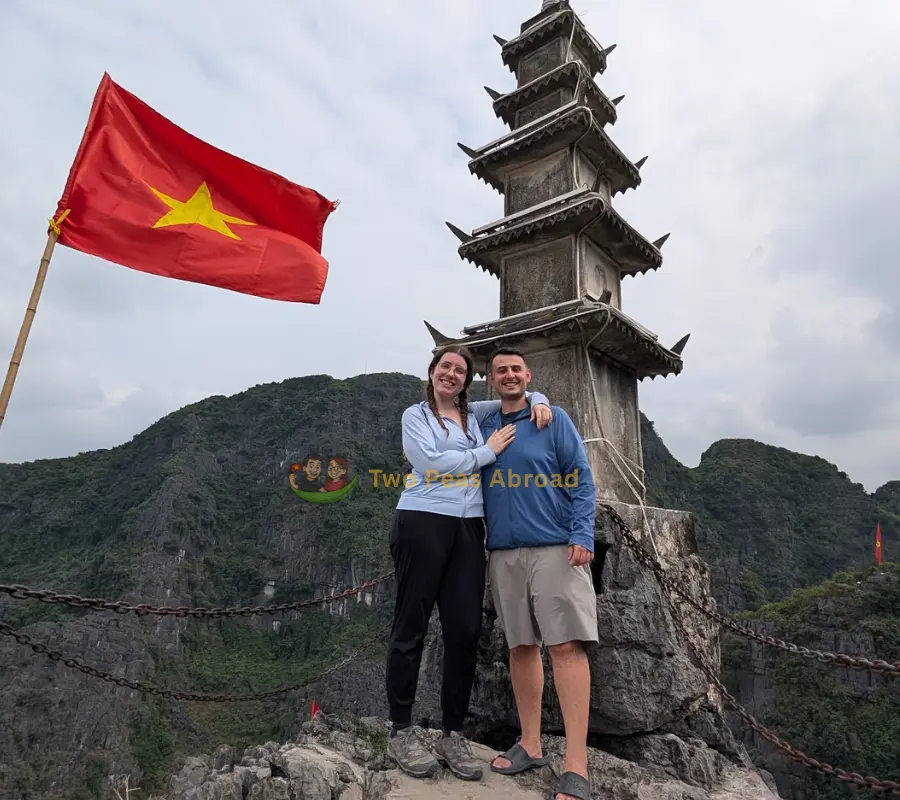
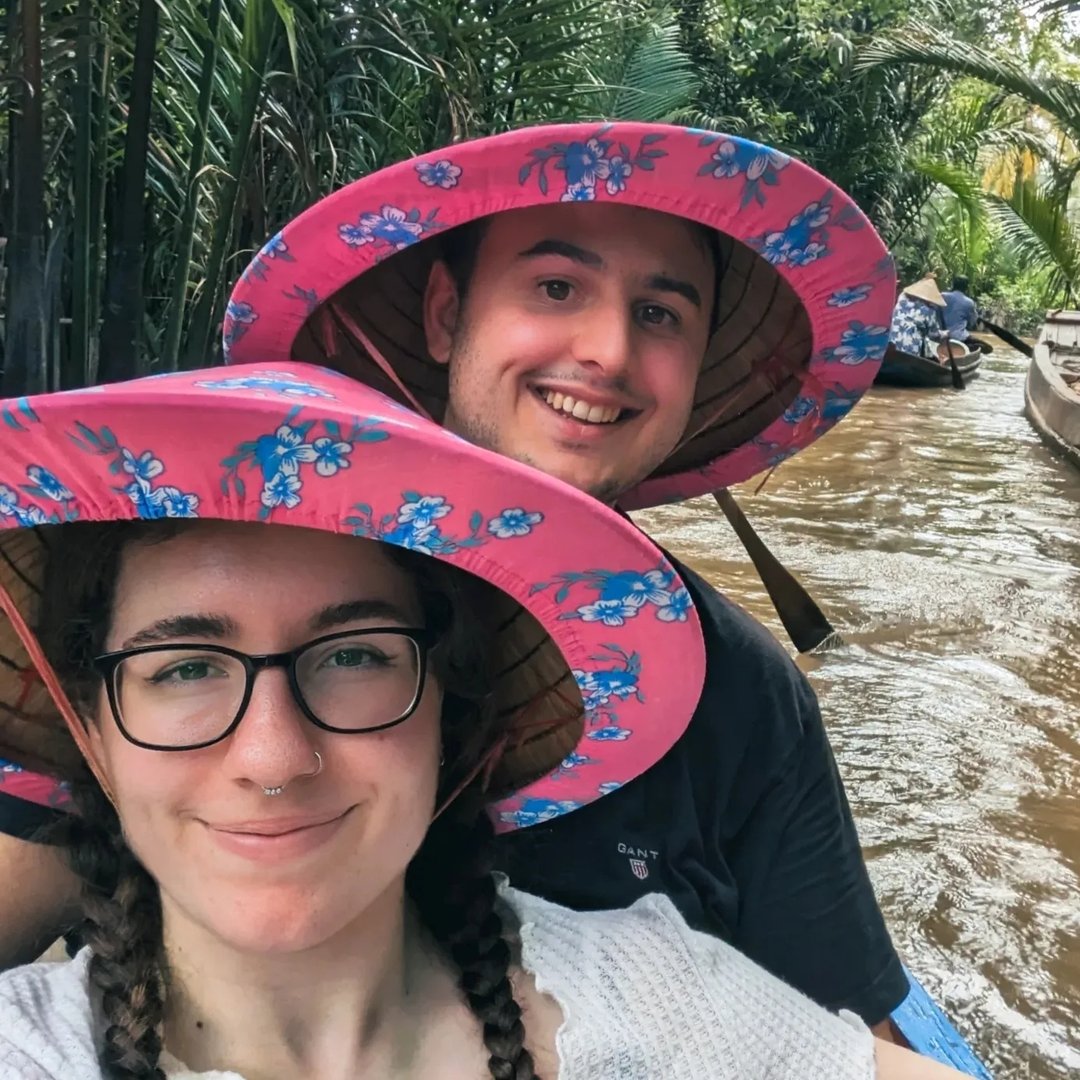
 and Sarah
  , the duo behind this Vietnam adventure. We moved here in 2023 after surviving 4 years of long-distance 💻❤️🎉