How to Get Around Vietnam in 2026: Trains, Buses, Flights, Private Transfers & More
After living in Vietnam since 2023 and helping thousands of travelers plan trips, this is our guide to getting around the country. Learn when to choose trains, sleeper buses, flights, Grab, or private transfers - with real cost and comfort trade-offs, popular route picks, and arrival tips.

Getting around Vietnam looks simple on a map. In real life, choosing between trains, sleeper buses, domestic flights, Grab, and private transfers is one of the first things that trips people up when they message us.
We have lived in Vietnam since 2023, based ourselves in Hanoi for the first year then started moving throughout the full country every few weeks.We have helped thousands of travelers plan their trips to Vietnam during this time. The same questions come up again and again: Is the overnight train worth it? Should we fly Hanoi to Ho Chi Minh City? When does a private car actually make sense? And how do you land without losing half your first day figuring things out?
This guide walks through how to get around Vietnam in 2026. Built from a mix of our personal experience traveling here for over 3 years and helping plan thousands of trips for others. You will get clear ways to choose, rough cost and time comparisons, and our honest notes on comfort and safety.
Who this is for: first-timers building a north-to-south trip, couples and families who want fewer stressful transfer days, and anyone trying to decide train vs bus vs flight without spending a week researching.
All prices shown in the tables below are in US dollars (USD).
Train vs Bus vs Flight vs Private Car: How to Choose
Start with distance and energy, not just price. A cheap overnight bus that leaves you wrecked for two days is not a bargain. A short flight that saves a full travel day often is.

This is our recommended rough starting guide on how to pick the best mode of transport for your route:
- Within a city or under 1 hour: Grab, local bus, or a private car. Quick, convenient, no need to book ahead, and usually affordable. For larger groups or families, a private car guarantees enough room for everyone and the bags.
- 1 to 4 hours by road: Limousine van, tourist bus, or private transfer for intercity hops. Still a half-day move, so pick based on group size, luggage, and whether you want door-to-door.
- 4 to 12 hours: Day train, tourist bus, or private transfer. Choose based on comfort and whether you want scenery.
- Overnight 8 to 14 hours: Soft sleeper train if you can get a good cabin. Reputable sleeper bus if budget matters more. Private transfer if you are traveling with kids, older parents, or lots of luggage.
- Over 12 hours one-way, or you are short on trip days: Fly. Vietnam's domestic network is dense and usually the cleanest way to protect your itinerary.
One more rule we share constantly: protect your first and last days. Arrival day and departure day are when people feel most tired and most rushed. Keep those days gentler where you can. This matters especially on the last days, when any travel delay can put your return flight at risk. If a transfer sits close to an international departure, book it in advance so you are not scrambling for a last-minute seat or relying on whatever is left that morning.
Cost, Time & Comfort Comparison (2026 Rough Guide)
Prices vary depending on the season, how early you book, and the cabin class you're going for. Treat these as rough planning ranges, not fixed quotes. These are based on what we pay ourselves on common routes average over the seasons.
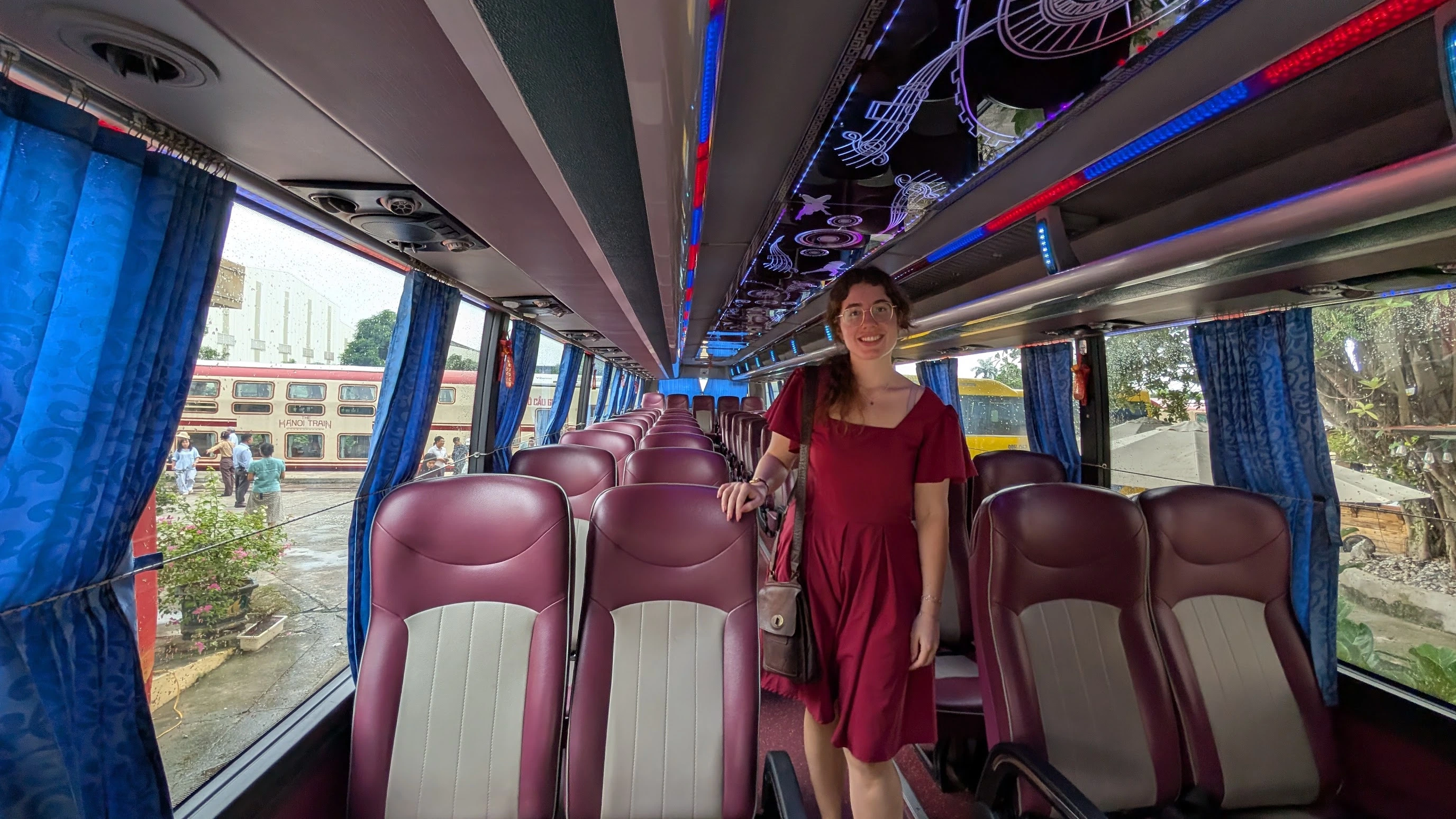
| Option | Best for | Typical time | Rough cost | Comfort reality |
|---|---|---|---|---|
| Domestic flight | Long hops (Hanoi to HCMC, Hanoi to Da Nang, HCMC to Phu Quoc) | 1-2 hrs flight + airport time | Often similar to a good train once you count a hotel night saved | Fastest. Airport buffers and luggage rules add friction. |
| Sleeper train | Overnight routes, scenic travel, families/groups wanting a cabin | Often 8-14+ hrs depending on route | Mid to higher than buses; private cabins cost more | Generally calmer than buses. Soft sleeper is the sweet spot for most visitors. |
| Sleeper bus / limousine van | Budget overnight hops and mountain routes with no train options | Similar time to trains on most routes, sometimes a bit longer factoring in breaks | Usually the cheapest overnight option | Hit-or-miss. Good companies are fine; bad ones are loud, cold, and stop often. |
| Private transfer / car | Families, door-to-door comfort, awkward timings, lots of bags | Matches road time, with your own stops | Highest per trip, best value when split between 3-4 people | Most flexible and least stressful. Not worth it for every short Grab-able hop. |
| Grab / taxi / local transport | City rides, airports (sometimes), short day trips | Minutes to a couple of hours | Low for short rides; surges happen in rain and peak hours | Excellent in Hanoi, HCMC, and Da Nang. |
The practical takeaway: spend a bit more on the overnight hops and awkward transfers that would otherwise leave you wiped for a day or two. Soft sleeper over the cheapest bus, or a private car when you have kids and a 5am start, often pays for itself in usable trip time. Short city rides are the opposite. Grab already covers most of those cheaply, so there is little point overpaying there.
Also watch the booking window. Domestic flights and popular sleeper trains get pricier closer to travel dates, while Grab and most city buses stay walk-up options. Plan the long moves early; keep the short ones flexible.
Best Way to Travel Vietnam: Popular Routes
Questions about specific transport options is one the most common questions our audience sends us. They ask: what's the best way from Hanoi to Da Nang? Should we fly Hanoi to Ho Chi Minh City? Is the bus fine for Sapa or should I take the train?
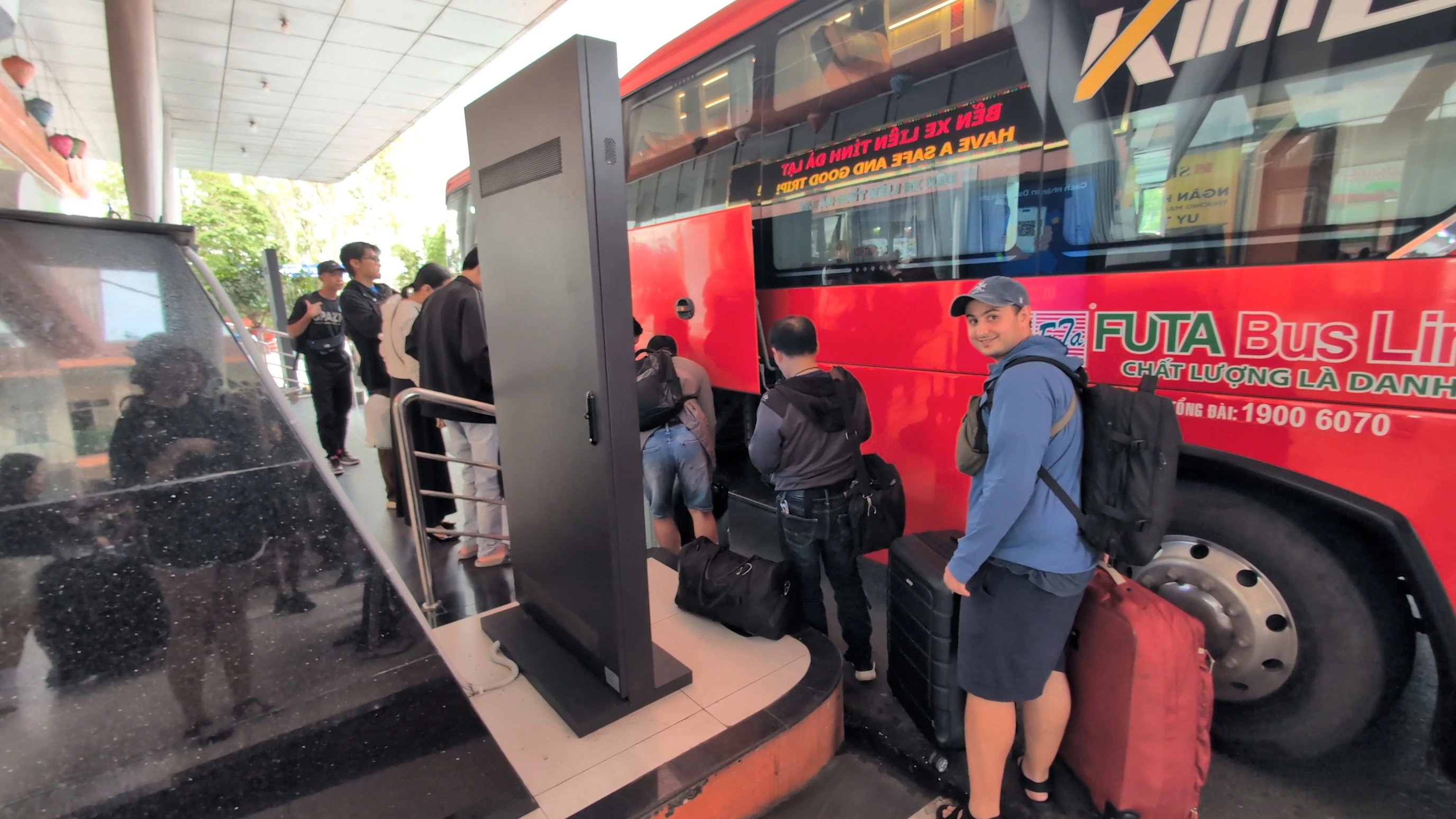
So here are our personal recommendations that we usually provide for the most common transport routes in Vietnam. The prices we've listed are rough mid-2026 ranges for an average mid-budget cabin/seat from trips we regularly take ourselves and bookings we help people make. Expect prices to vary slightly by season, local holidays, and how far in advance you book.
| Route | What we'd usually book | Typical time | Rough price |
|---|---|---|---|
| Hanoi to Ninh Binh | Limousine van (private car if you are a family or group) | About 1h 45-2h 15 | $8-15 van / higher for private |
| Hanoi to Ha Long Bay | Cruise transfer (shuttle + boat), unless you are self-organising | About 3-3.5 hours | Often included with the cruise; ~$20-35 standalone |
| Hanoi to Sapa | Daytime limousine van, or overnight sleeper bus/train if you want to save a night | About 5-6.5 hours | $20-40 |
| Hanoi to Ha Giang | Sleeper bus or private car (tour pickup is common if you join a loop tour) | About 6-8 hours | $20-45 bus / more for private |
| Hanoi to Da Nang | Overnight soft sleeper train if you have the time; flight if you do not | About 14-16h train / ~1h 20 flight | $30-55 soft sleeper / $40-90 flight |
| Hanoi to Hue | Overnight soft sleeper train (a classic Reunification Express hop) | About 12-14 hours | $25-50 |
| Hanoi to Ho Chi Minh City | Flight for most trips under 2-3 weeks | About 2 hours in the air | $45-120 depending on timing |
| Hue to Da Nang | Day train along the Hai Van Pass | About 2.5-3 hours | $7-15 |
| Da Nang to Hoi An | Grab car (easy and straightforward) | About 35-50 minutes | $10-18 |
| Da Nang to Ho Chi Minh City | Flight | About 1.5 hours | $40-90 |
| Ho Chi Minh City to Da Lat | Limousine van or sleeper bus; private car if you want stops | About 5.5-8 hours | $15-35 |
| Ho Chi Minh City to Can Tho / Mekong | Limousine van or day tour depending how deep into the Delta you go | About 2.5-4 hours | $10-25 |
| Ho Chi Minh City to Phu Quoc | Flight (we almost always skip the ferry for visitors on a normal holiday) | About 1 hour | $35-90 |
A few personal notes on the ones we get asked about most:
- Hanoi to Da Nang by train: We love this overnight. Soft sleeper is comfortable enough for most people, and if you are awake for the last stretch you get those coastal views along the Hai Van Pass area heading into central Vietnam. If your trip is short, fly and use the extra time to explore central Vietnam.
- Hanoi to Ho Chi Minh City: The train is an adventure if you have spare days. Highly recommend planning your own hop-on hop-off style of trip. For a typical 10-14 day holiday, we usually recommend flying at least the longer segments to save some time.
- Hanoi to Ha Long: If you are on a cruise, take their transfer. Self-organising rarely saves enough money to be worth the extra effort on a tired arrival day.
- Da Nang to Hoi An: Grab is perfect here or a pre-booked limousine/van if you're a large group.
One booking tip we repeat constantly: domestic flights get much cheaper when you lock them in 3-4 weeks ahead. Same-week seats on the most popular routes like Hanoi to Da Nang or Hanoi to Ho Chi Minh City can jump into the $80-150 range. Book earlier and you often land closer to $40-80. On longer trips with a couple of flights, that extra cost can quickly add up.
Trains in Vietnam: Why we Love Them
If you've been following us for a while, you'll see that we love experiencing all of the different train routes and operators in Vietnam. They're the perfect middle ground between comfort, price and speed. Using a sleeper train, you'll get a lot more room to move around in compared to a plane or a bus while paying roughly the same price as a flight + hotel for the night would cost. Plus you'll often get a freshly cooked meal on the longer routes!
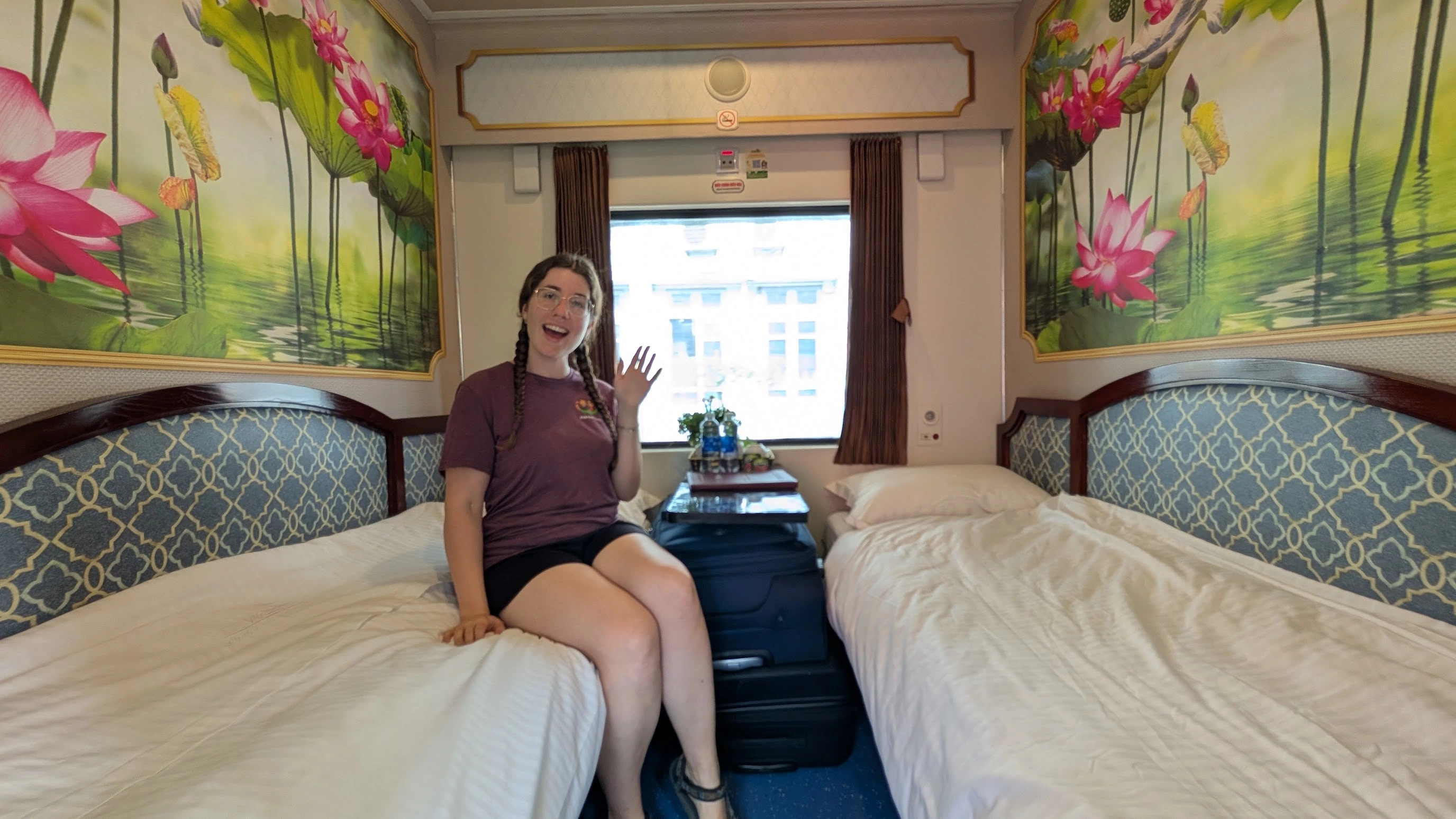
They work especially well for:
- Overnight travel where you can save money on an extra hotel night
- Families or friends who can share a cabin and essentially get a private room
- Travelers who get motion-sick on winding mountain roads
- Scenic daytime stretches where the journey is part of the trip
Soft sleeper is what most visitors should aim for. Hard sleeper can work if you are flexible, booking late or on a tight budget, but expect a less comfortable trip. Private or luxury 2-bed options are definitely worth a look if you want a quieter night and are happy to pay a bit more for comfort.
We personally love the sleeper train options in Vietnam and have a full comparison of our top sleeper train companies in Vietnam if you need help narrowing down the operators. If Hanoi Train Street is on your list too, we also put together a practical Hanoi Train Street guide with timing tips from visits there ourselves.
Sleeper Buses: Cheap, Useful, and Easy to Get Wrong
Sleeper buses keep Vietnam affordable and fill gaps where trains are limited or sold out. They are also the option that creates the most "I barely slept" messages in our inbox.
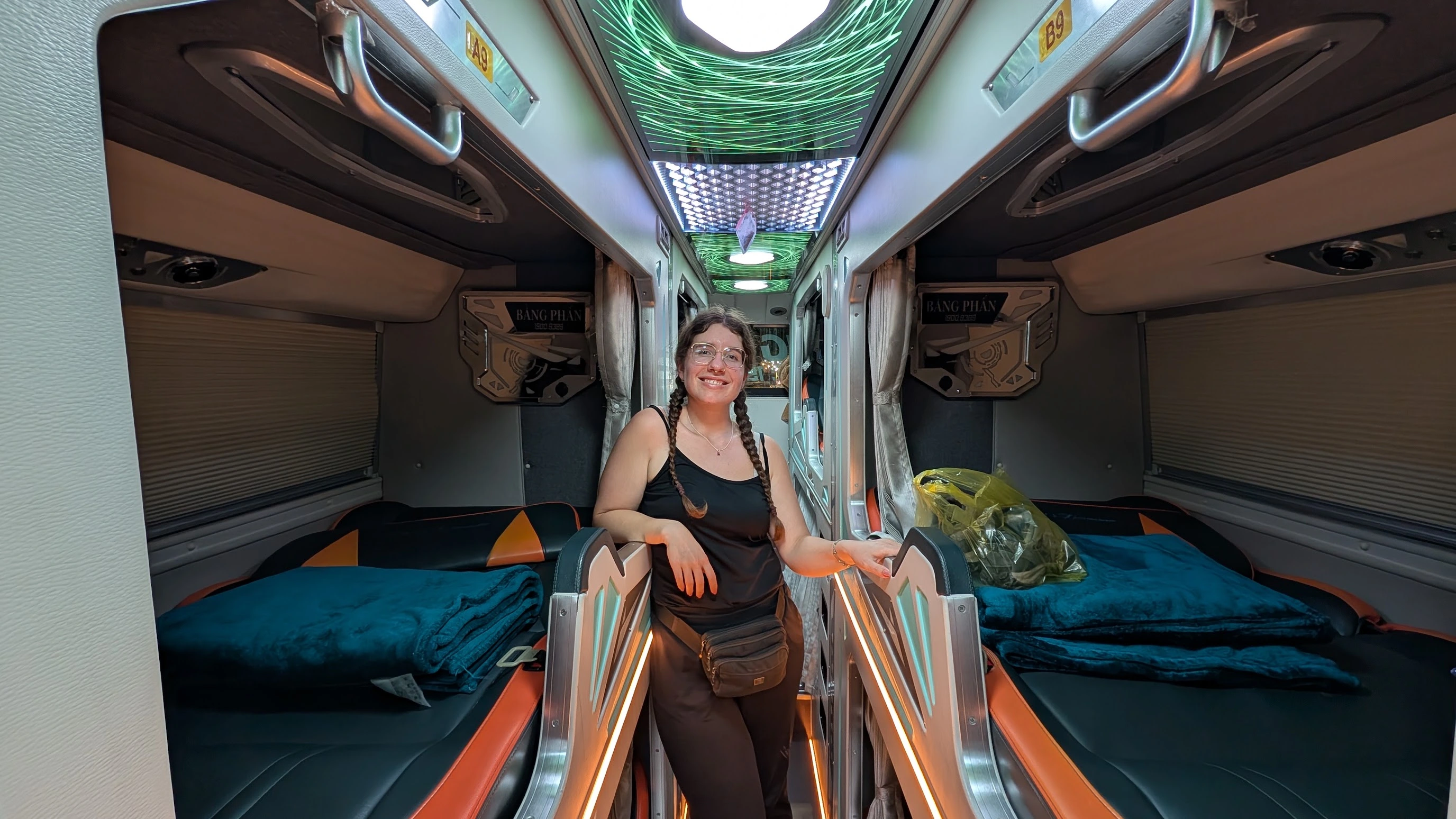
Choose a sleeper bus when:
- You're traveling on a tight budget
- The route doesn't have good train links
- You are okay trading comfort for savings on one night
Be more careful when traveling with kids, recovering from illness, or heading into a packed sightseeing day. Company quality matters a lot. A good sleeper bus is great, but a bad one can mean AC blasting all night, loads of unexpected stops adding to travel time, and very little actual sleep.
Sleeper buses in Vietnam are also where an extra $3-5 can change the whole night. That small bump is often the difference between a loud three-row bus and a more private cabin with a proper mattress and a curtain you can actually close.
After a lot of overnight rides ourselves, we put our favourite operators into a sleeper bus companies in Vietnam guide. Worth a look before you commit to multiple bus nights in a row, especially on mountain routes in the north.
Domestic Flights: When Flying Is the Smart Call
Vietnam is long. Trying to do Hanoi to the Mekong by train or bus on a short trip is just not worth it. It will cost you days of travel time and you will wish you took a flight.
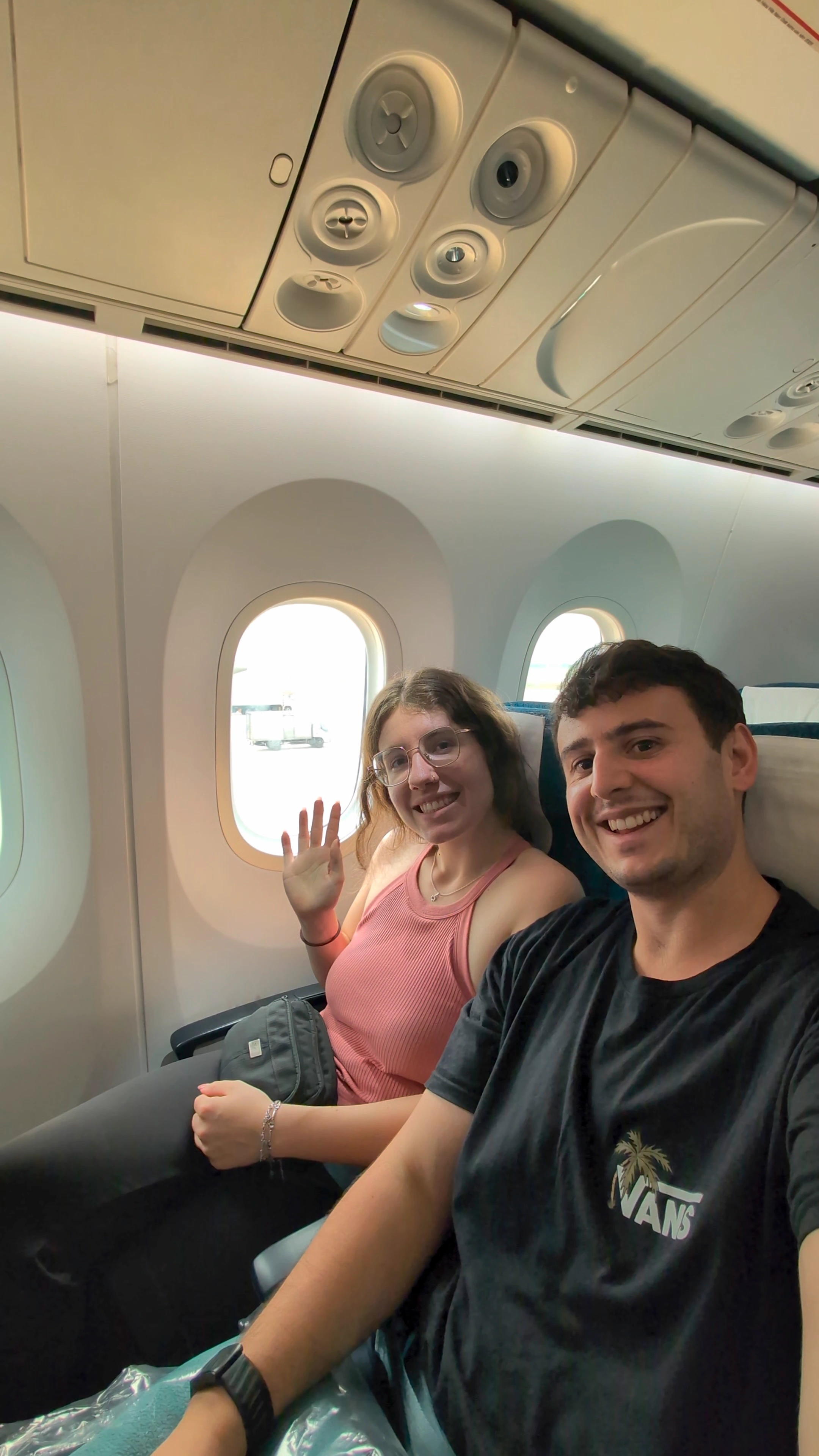
Fly when:
- The overland option is a full day or overnight plus recovery
- Your total trip is under two weeks and covers long stretches with no stops in between
- Weather or timing makes a long road day questionable
- You are traveling with kids and need to protect nap/bed routines
The hidden cost of flying is not only the ticket. Add airport transfers, earlier wake-ups, luggage rules, and the chance of delay. Even then, a 2-hour flight will often beat a 14-hour bus ride. For most people asking us about Hanoi to Ho Chi Minh City on a normal holiday, we recommend flying and saving your energy for the days on the ground.
Private Transfers: Worth It More Often Than People Expect
Private cars get talked about like a luxury upgrade. In practice, they are often the calmest way to handle awkward routes, early starts, and family travel days.
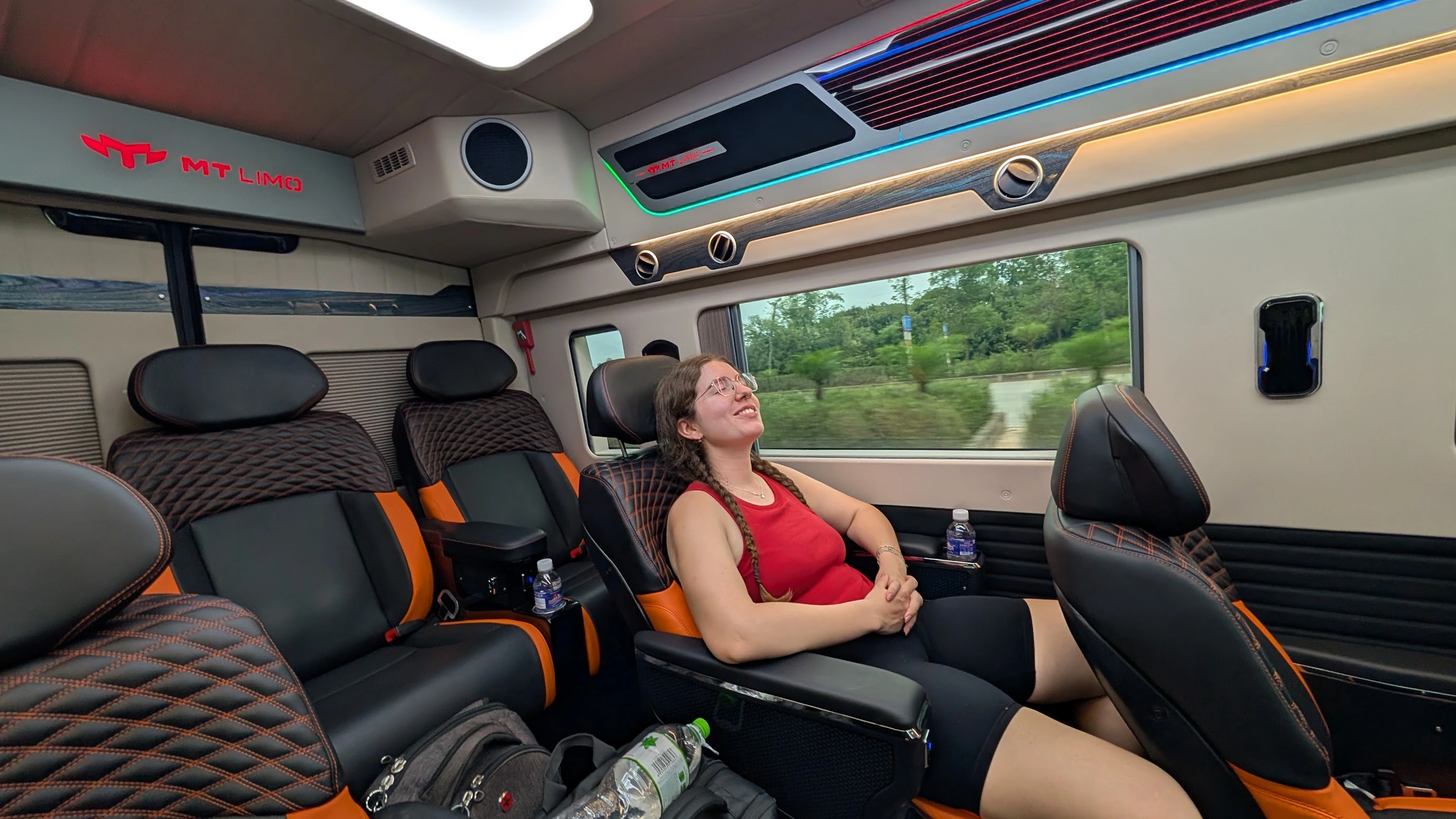
They are usually worth it when:
- You are 3-4 people and can split the fare
- You have early cruise check-ins, late train arrivals, or tight connections
- You are heading to places where public options are messy (some Ninh Binh, countryside, or multi-stop days)
- You want door-to-door with stops for food, photos, or kid breaks
They are usually not worth it when Grab covers the same hop quickly, you are solo on a budget, or the public option is already comfortable and direct. We use private cars a lot for family trips and early Ha Long mornings. For a solo backpacker hopping Hanoi Old Quarter cafes, Grab is usually enough.
Arrival Day: Airport to City Without the Meltdown
Your first transfer sets the tone. After a long flight, people make expensive mistakes: unofficial taxis, slow SIM setups, and long immigration lines when they are already exhausted.
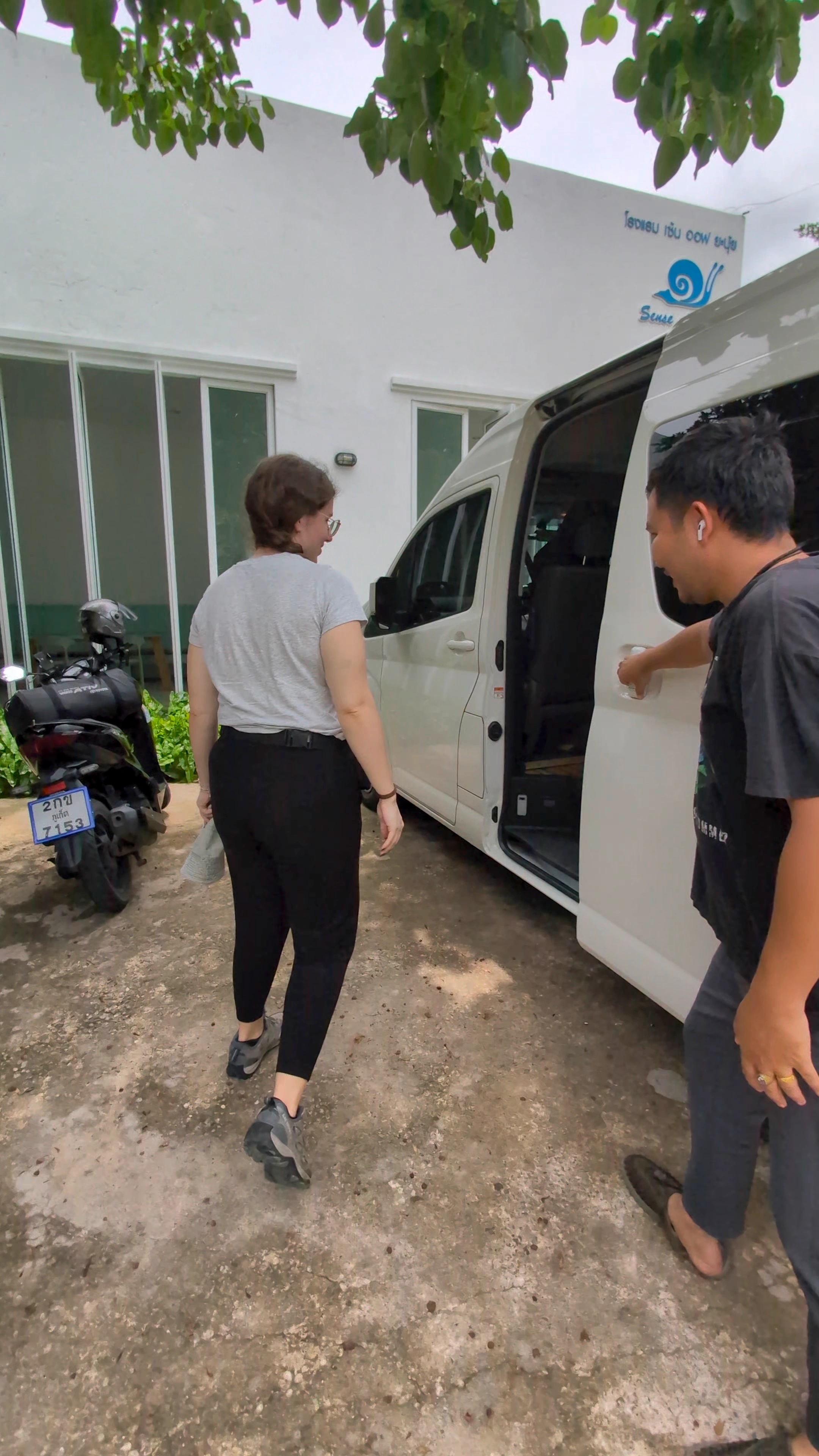
A clean arrival day looks like this:
- Land with data already sorted (eSIM installed before you fly)
- Know whether Fast Track is useful for your airport and arrival time
- Have a clear plan from terminal to hotel: Grab, official taxi, or pre-booked car
- Keep hotel address in Vietnamese ready to show or paste
If you are landing into a busy period or just hate queues after a long-haul flight, we wrote an honest take on whether Vietnam Airport Fast Track is worth it after using it ourselves through the main airports. And if you want Grab and maps working the minute you land, sort your data before you fly. We break down the eSIM vs SIM choice properly in the connectivity section below.
Overnight Transport: What It Is Actually Like
Overnight travel saves a hotel night and a daytime transfer. It can also wipe out the next morning if you pick the wrong seat or company.
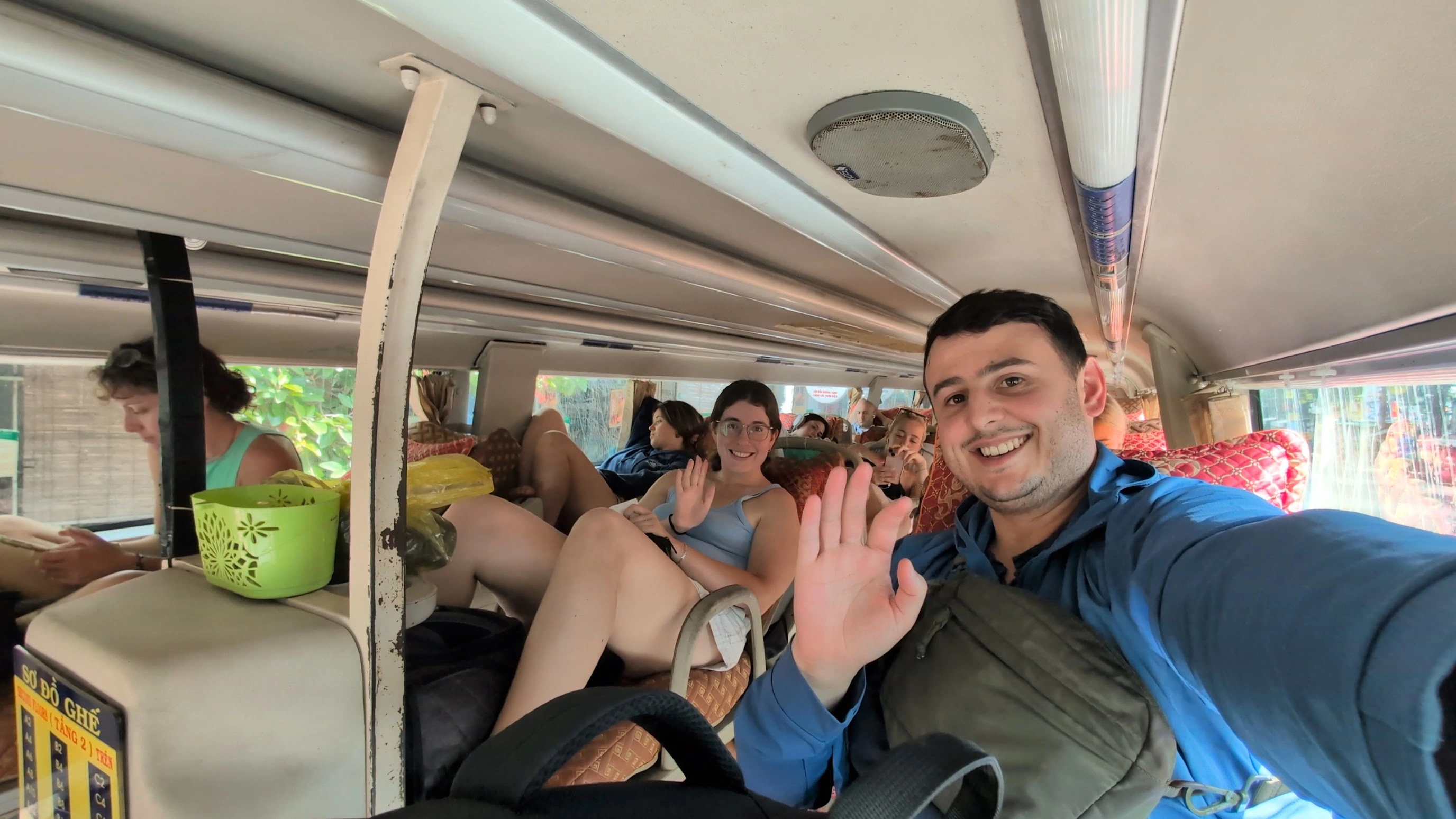
What we tell people from real trips and traveler messages:
- Soft sleeper trains are usually the most restful overland overnight option
- Buses vary wildly by company, route, and how full the vehicle is
- Earplugs, an eye mask, and layers matter more than people expect
- "Sleeper" does not always mean sleep. Plan a lighter first morning after arrival
- Families often do better with a private overnight transfer or a flight + normal hotel night
If your trip has several long hops, mix modes. One overnight train, one flight, and shorter daytime transfers usually feels better than stacking three rough bus nights. We have done both the "that was fine actually" overnights and the "never again" ones. Company choice and cabin type matter more than the brochure photos suggest.
What Travelers Commonly Struggle With
These patterns show up constantly in the messages we get from people planning Vietnam trips:
- Overlanding the whole country on a short trip. It looks romantic. It often means half the holiday is spent in transit.
- Booking the cheapest overnight without checking the company. Price is easy to compare. Sleep quality is not.
- Ignoring arrival-day energy. People land, take a long transfer, and try to squeeze in a big tour the same afternoon.
- Underestimating luggage friction. Trains and buses are doable with big bags, but private cars and flights feel easier when you are moving often.
- No mobile data on day one. Without Grab, maps, and translation, every transfer feels harder than it needs to.
- Too many long travel days back to back. Even "easy" transfers add up. Build recovery into the plan.
If you want to see how this looks inside a real north-to-south plan, our 7 days in Vietnam itinerary is the version we send people who want a practical starting point. And if your dates are flexible, check Vietnam weather by region before you lock long road days into the wettest weeks.
Putting It Together: Common Trip Patterns
Not every Vietnam trip needs the same transport mix. Here is how we usually think about it once the route starts taking shape.

Hanoi to Ho Chi Minh City (or reverse)
This is the big one. For most visitors on a time limit, flying is the cleanest move. Trains and buses make sense if you have extra days and want the overland experience. If your holiday is around 10-14 days and you want both the north and the south, protect those days with a flight rather than spending one of them on a 30-hour train.
Northern loops around Hanoi
Hanoi is the usual launch point for Ninh Binh, Ha Long, Sapa, and Ha Giang. Expect vans, sleeper buses, cruise transfers, and private cars more than long train hops. If Ha Giang is on your list, our Ha Giang Loop tours guide covers the different travel styles, from easy jeep trips to self-drive loops.
Ha Long Bay and Cat Ba
This is less about which bus company wins and more about cruise timing, transfers, and whether you overnight on the water. After trying a lot of boats ourselves, we keep our current picks in What's the best Ha Long Bay cruise? And if you are looking at Cat Ba as a base, our 2-day Cat Ba itinerary walks through a simple plan that actually works.
Day trips when you want an easy add-on
If you are spending a few days in Hanoi or Ho Chi Minh City and want one low-stress escape without rebuilding the whole itinerary, these are the guides we point friends to. For Hanoi, start with our best day trips from Hanoi or the in-city picks in our best day tours in Hanoi. Down south, the same idea with our best day trips from Ho Chi Minh City and best day tours in HCMC.
Stay Connected: Why Data Matters for Getting Around
Good transport planning falls apart fast without working maps, Grab, booking confirmations, and a way to message your driver or hotel. In Vietnam, mobile data is part of getting around, not a nice extra.
Here is what we see go wrong when people skip this:
- They land tired and accept the first unofficial taxi offer at the curb
- They cannot check the Grab plate or follow the pickup pin
- Hotel addresses become guesswork instead of a quick paste into Maps
- Train station changes, bus delays, and meeting points get stressful instead of simple
Our recommendation after living here since 2023 is simple: install an eSIM before you fly. That way Grab and maps work as soon as you land, which makes the airport-to-hotel stretch much calmer. Physical SIMs still work, but they usually mean queues, passport registration, and more faff on day one.
If you want the short version of what we tell friends and family, start with our best eSIM for Vietnam comparison. We tested the main options across cities, mountains, and islands, and that guide is the one we keep updated with what is actually working well right now.
One practical tip from our own trips: download offline maps for your first city before you fly as backup, but do not rely on hotel WiFi alone for Grab. Pickup pins and live driver tracking are much smoother on mobile data.
We can help you plan the transfers too - trains, flights, cars, and pacing that actually works on the ground. Softer arrival days, smarter overnights, fewer wasted hours.
Frequently Asked Questions
- What is the best way to get around Vietnam? Mix it. After living here since 2023 and helping thousands of travelers plan trips, our usual formula is: fly the long hops, take soft sleeper trains for good overnight routes, use Grab in the cities, and book a private car when timing or family logistics need protecting.
- How do you travel from Hanoi to Ho Chi Minh City? For most visitors on a 10-14 day trip, fly. The flight is about 2 hours. The train is 30+ hours end-to-end and makes more sense if you have extra days and want the overland experience.
- Is the train or sleeper bus better in Vietnam? For comfort, we prefer soft sleeper trains on the routes where they work well. Sleeper buses are cheaper and useful on mountain routes, but quality varies a lot by company.
- How do I get from Hanoi to Da Nang? Overnight soft sleeper train if you want the journey and coastal views; flight if you are short on time. We love the train on this route when the itinerary allows it.
- Is Grab safe in Vietnam? Yes in the major cities, and it is what we use ourselves all the time. Have mobile data ready, check the plate matches the app, and meet at the pin. Avoid random curb offers at airports.
- Do I need a private transfer in Vietnam? Not for every ride. They shine for families, early starts, lots of luggage, or awkward connections. For short city hops, Grab is usually enough.
- Should I rent a motorbike to get around Vietnam? Only if you already ride confidently. Vietnam traffic is intense for first-timers. For most visitors, Grab, trains, vans, and the odd private car are the calmer mix.
- Is Vietnam Airport Fast Track worth it? Sometimes. It depends on the airport, season, and how wiped you will be on landing. We use it selectively and break down when it is worth paying for in our Fast Track guide.
- What is the cheapest way to travel around Vietnam? Local buses, sleeper buses, and hard sleeper trains. You will save money, but you may lose sleep and recovery time. Spend a bit more on the nights that protect the rest of your trip.
- How many travel days should I plan for a north to south Vietnam trip? On a two-week trip, keep long transfers to a minimum. One or two flights plus shorter hops usually feels better than stacking overnight buses back to back.
Final Thoughts
Getting around Vietnam feels complicated until you keep it simple: match the option to the distance, protect your energy, and spend money where it removes stress.
Use the route table above as your quick starting point, then lean on trains, flights, Grab, or a private car depending on the day in front of you. The goal is not the cheapest transfer every time. It is arriving with enough energy left to enjoy the place you came for.
Planning a multi-city trip and want help with the transfers? We can build a custom itinerary around real travel times, not just pretty pins on a map. Browse our travel guides and itineraries or message us if you want help shaping the route.
Safe travels - and may your overnight seats be soft and your arrival days calm.

 and Sarah
  , the duo behind this Vietnam adventure. We moved here in 2023 after surviving 4 years of long-distance 💻❤️🎉